
Latest Articles

Federal Debt Ceiling, Environmental Justice Communities and NEPA
After weeks of negotiations and the looming threat of defaulting on our country’s debts, President Biden signed the Fiscal Responsibility Act (FRA) in May. The FRA ended the federal student loan repayment suspension and expands work requirements for food stamp recipients, which will impact low-income and working-class people the most. What might be less known,…

The Effects of Health and Housing Quality on Climate Vulnerability and Resilience
Using a case study approach in six frontline communities, Just Solutions has developed a Prioritizing Frontline Communities Framework that assesses the “pre-existing” economic, health, and infrastructure conditions that affect the capacity of these communities to cope with, prepare for, and respond to climate change and to participate equitably in the transition to a clean energy…

The White House Blueprint for a Renters Bill of Rights Explained
The White House Blueprint for a Renters Bill of Rights,1 issued in January of 2023, outlines a general plan for the enforcement and implementation of tenants’ rights. This article provides readers with key takeaways from the Blueprint and identifies opportunities to incorporate environmental justice and climate action elements within housing and tenant rights efforts. The…

BIPOC Mental Health Month: Environmental Racism’s Impact on Frontline Communities
BIPOC Mental Health Month While May recognizes National Mental Health Awareness Month, July is known as BIPOC Mental Health Month, observing mental health in America from the unique experiences of Black, Indigenous, and people of color. BIPOC Mental Health Month, also known as Bebe Moore Campbell National Minority Mental Health Awareness Month, was created to…

Just Solutions Joins Invest in America Tour highlighting funds for equitable clean energy solutions
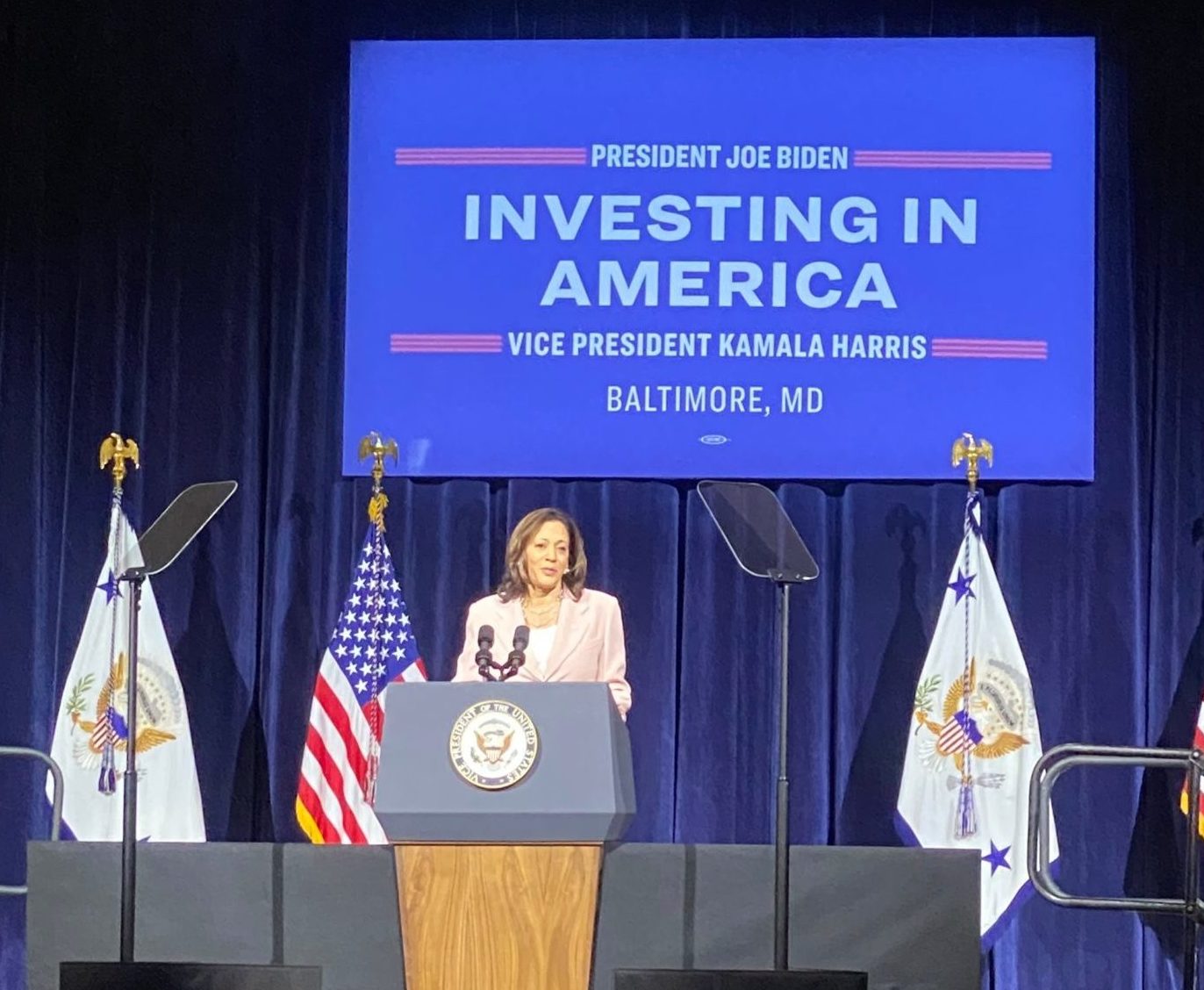
On Friday, July 14, 2023, Just Solutions was invited to join Vice President Harris in Baltimore, Maryland as she delivered remarks highlighting provisions in the Inflation Reduction Act. Joined by EPA Administrator Michael Regan at Coppin State University, they announced $20 billion to capitalize investment in a clean energy financing network and projects in disadvantaged…

The National Risk Index: Funding Disaster Resilience and Mitigation in Frontline Communities
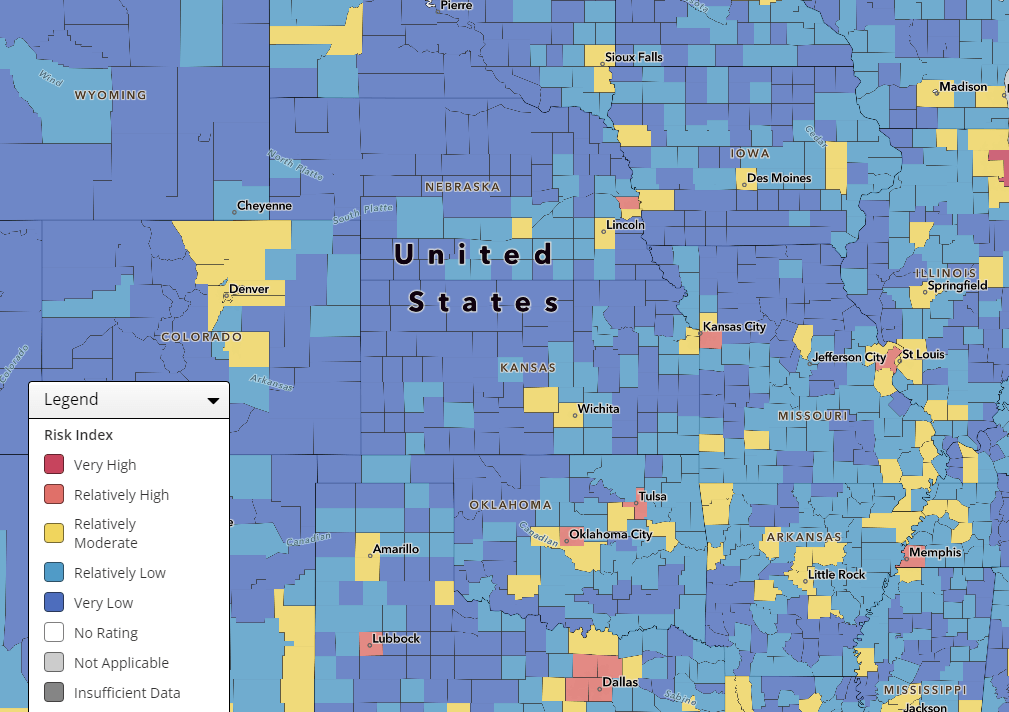
In the past few weeks alone, the United States has witnessed various climate hazards and disasters affecting vulnerable communities and straining public infrastructure and housing. Extreme heat waves are endangering lives in the South and putting immense pressure on power grids. Wildfires and tornadoes threaten rural Midwest communities, while parts of New England experienced historic…

Our recommendations for Treasury’s Low-Income Communities Bonus Credit program
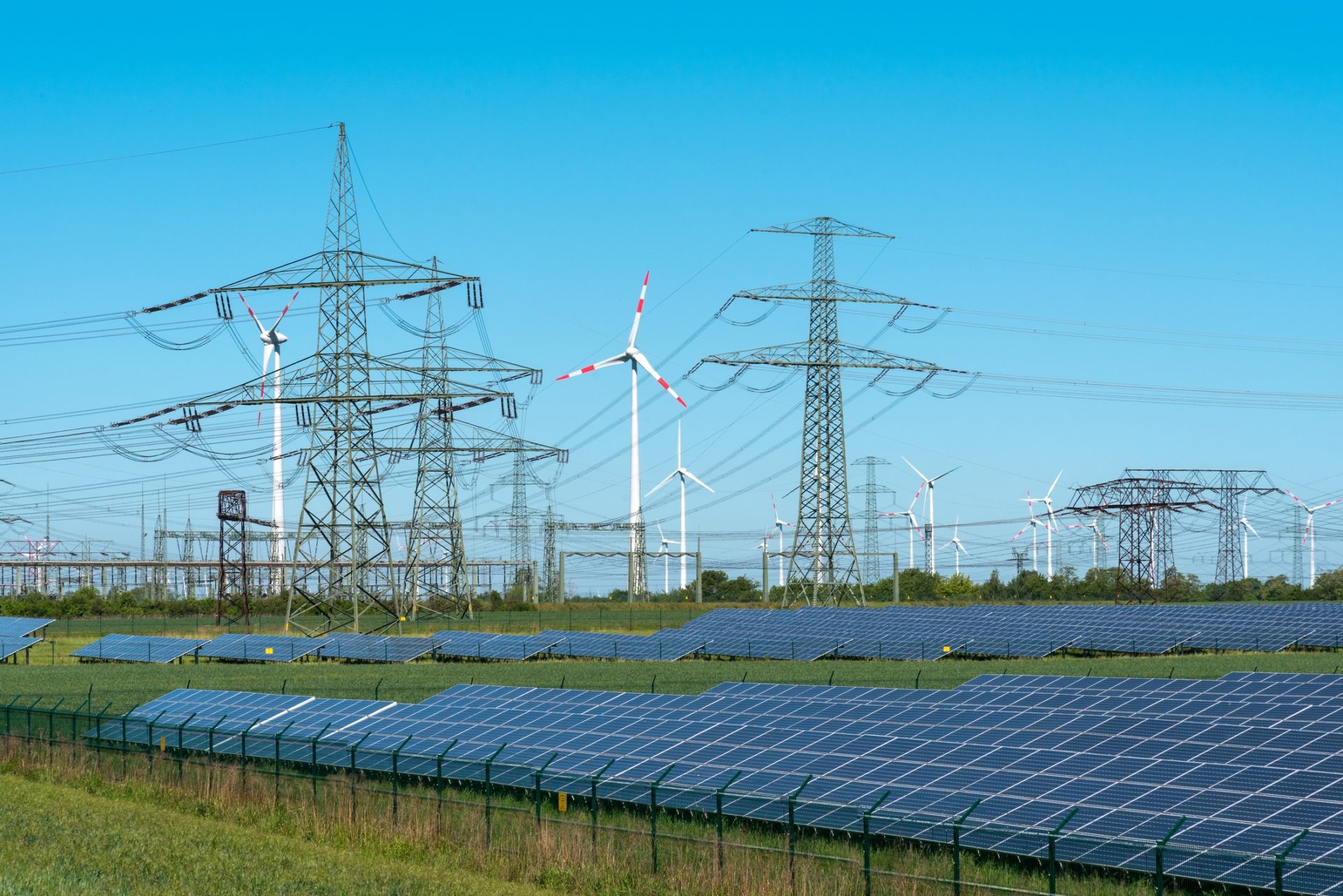
With last year’s passage of the Inflation Reduction Act (IRA), Congress took its most significant action yet to address climate through legislation. As we have previously discussed, the majority of climate and energy spending in the IRA comes in the form of tax credits. In turn, the vast majority of those tax credits are designed…
Economic Drivers of Climate Vulnerability and Resilience
Using a case study approach in six frontline communities, Just Solutions has developed a Prioritizing Frontline Communities Framework that assesses the “pre-existing” economic, health, and infrastructure conditions that affect the capacity of these communities to cope with, prepare for, and respond to climate change and to participate equitably in the transition to a clean energy…

THE PERFECT STORM OF EXTRACTION, POVERTY, AND CLIMATE CHANGE
A FRAMEWORK FOR ASSESSING VULNERABILITY, RESILIENCE, ADAPTATION, AND A JUST TRANSITION IN FRONTLINE COMMUNITIES Just Solutions is announcing the publication of “The Perfect Storm of Extraction, Poverty, and Climate Change: A Framework for Assessing Vulnerability, Resilience, Adaptation, and a Just Transition in Frontline Communities,” a report by Jennifer Moon, of Moonlight Solutions, and Zully Juarez,…

Greenhouse Gas Reduction Fund: Best Practices for Equity and Governance
The $27 billion Greenhouse Gas Reduction Fund (GGRF) is the single largest climate program in the Inflation Reduction Act, second only to the suite of energy tax credits that make up the majority of the IRA’s spending. Because of its vast size, as well as the flexibility provided by the authorizing language in the law,…