
Latest Articles

Recommendations to SEOs for immigrant inclusion in home energy rebates program
As climate disasters increase in frequency and severity, the workforce performing cleanup and restoration largely consists of migrant workers, who are frequently exposed to hazards like mold, asbestos, and lead, and may also be vulnerable to labor exploitation and wage theft.
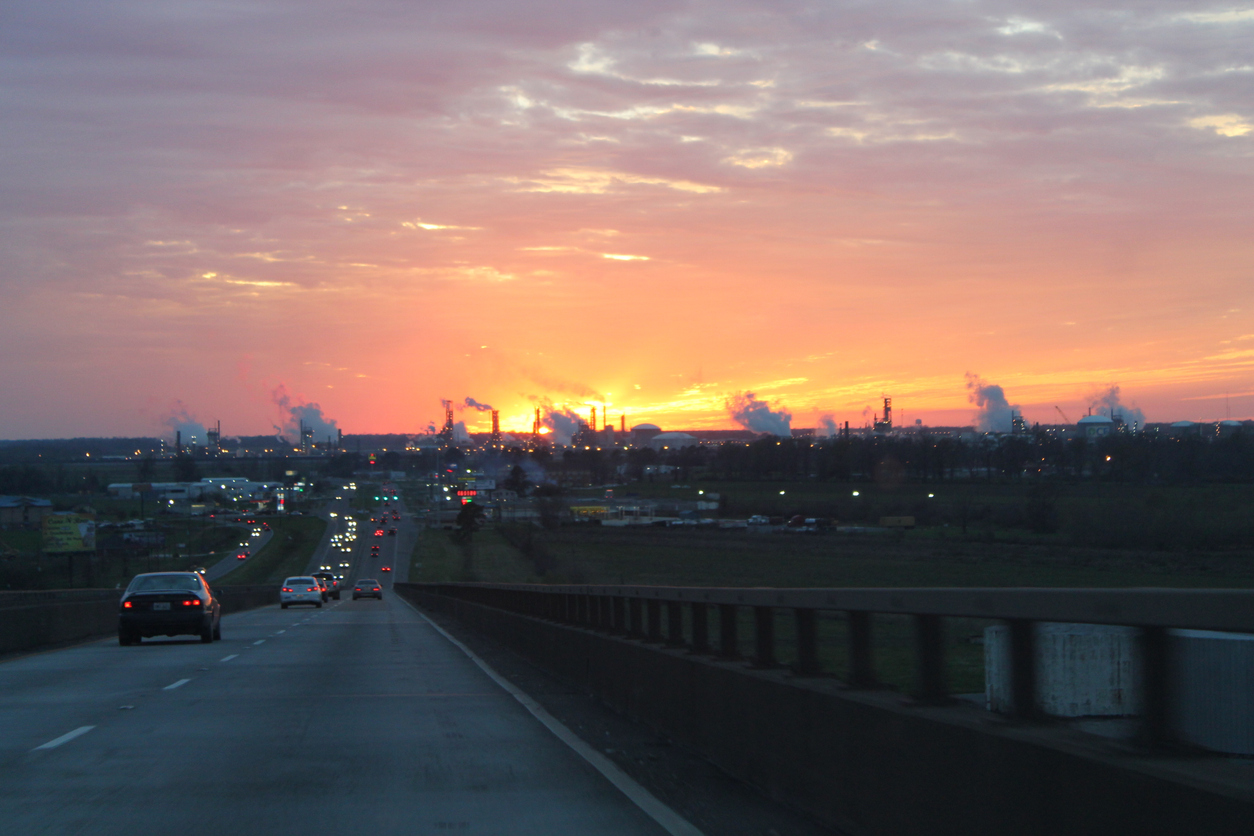
Louisiana’s Title VI Legal Decision: Civil Rights for Environmental Justice Communities at Risk
Title VI of the Civil Rights Act of 1964 is essential for environmental justice communities. This latest case, Louisiana v. EPA, prohibited the EPA] and the U.S. DOJ from addressing preliminary findings of discrimination that would have relieved some of the health and environmental burdens communities in “Cancer Alley.”

Research Collaborative with EJ Organizations Creates Framework of Hydrogen Energy
Hydrogen has been touted as a “clean” energy solution yet it poses significant downsides that are often left out of the public discourse. Issues such as transparency, safety standards and the amount of water required to produce hydrogen energy are critical considerations when weighing what package of interventions would be best in a local context.

Advancing Just Partnership in the Climate Movement: Reflections from the Centering Justice Symposium
Over the last couple of years we have seen environmental justice take on the federal stage with the Biden Administration’s executive order on the Justice 40 Initiative and climate investment made available through the Inflation Reduction Act (IRA) and Infrastructure Investment and Jobs Act (IIJA). As historic investments and opportunities are made available, there is…

Environmental justice recommendations for the hydrogen production tax credit
Among the various uncapped energy tax credits that form the core of the Inflation Reduction Act (IRA), none has been more heavily contested than 45V, the hydrogen production tax credit. This credit, newly created by the IRA, allows hydrogen producers to claim credits for every kilogram of “qualified clean hydrogen” produced. The credit amounts range…
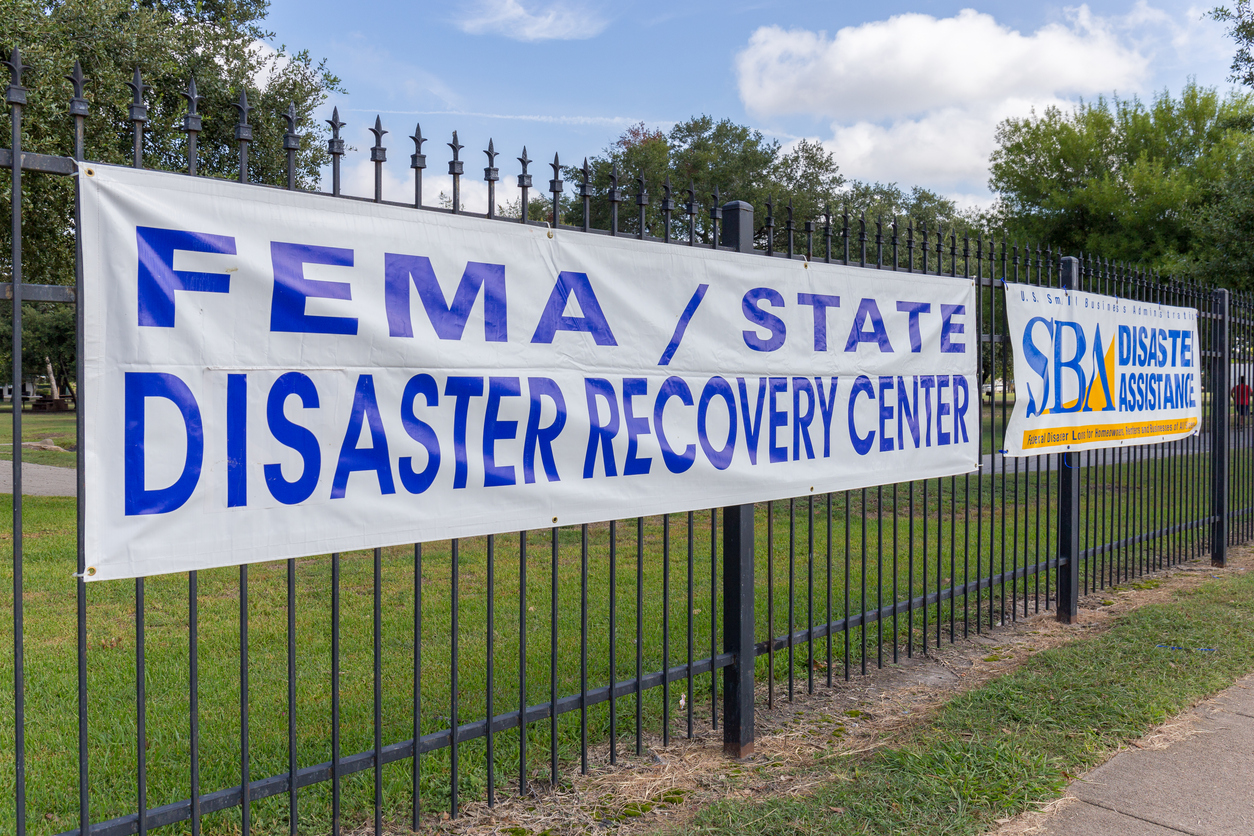
FEMA Proposes Rule Change that is a Step Toward Equity and Improving Access
On January 22, FEMA released an Interim Final Rule that proposes significant modifications to their Individual Assistance (IA) Program that provides financial assistance and direct services to eligible individuals and households affected by presidentially declared disasters. This change means that disaster survivors will have greater accessibility and more benefits to FEMA assistance. For so long,…
HHS Engages Healthcare Providers in Climate Solutions: Opportunities, Models, and Barriers
The U.S. Department of Health and Human Services (HHS) has launched a new initiative to mobilize the healthcare sector, particularly safety net providers, to take advantage of opportunities in the Inflation Reduction Act (IRA) to reduce its own greenhouse gas emissions, increase energy efficiency, and improve climate preparedness and resilience. The HHS Office of Climate…

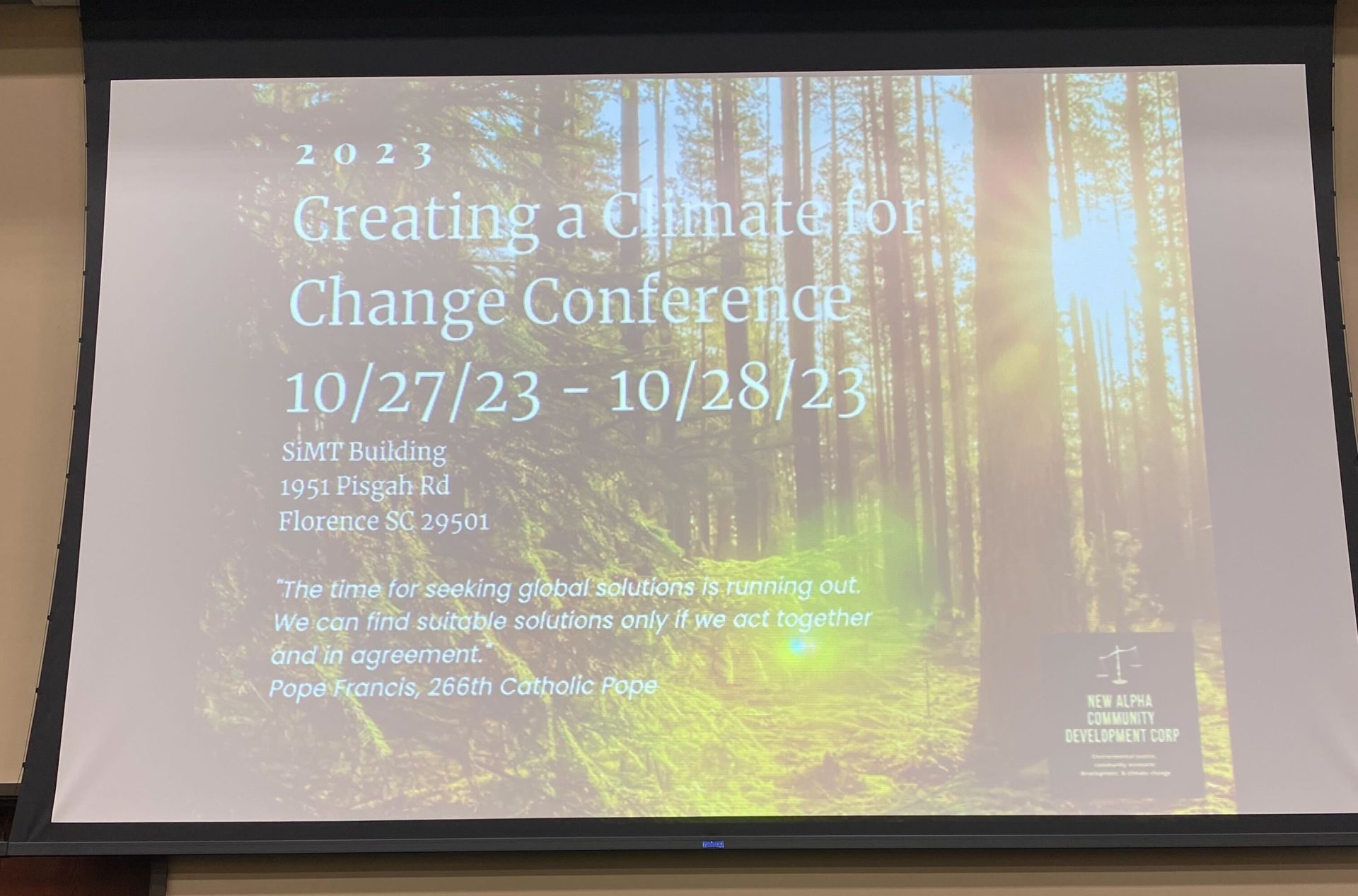
Cultivating Collaboration: Reflections from the Creating a Climate for Change Conference
At the end of last year, I traveled to Florence, South Carolina, to attend the Creating a Climate for Change conference. Hosted annually by the New Alpha Community Development Corporation and the Whitney M. Slater Foundation, the event is a dynamic forum for learning, networking, and envisioning a sustainable future for communities within and beyond…
Curbing Pollution in Frontline Communities
Across the United States, Black, Indigenous, and communities of color are disproportionately impacted by pollution and environmental health disparities. Environmental health disparities exist when communities exposed to a combination of poor environmental quality and social inequities have more sickness and disease than wealthier, less polluted communities. Many of these environmental health problems and disparities are…

Navigating Climate Disinfo in the Digital Age
The origins of climate change disinformation that contradicts the science behind the climate crisis can be traced back to fossil fuel companies and their decades of climate denial campaigning. That’s just one of many findings from a recently published study by Boston University’s Climate Disinformation Initiative, “Data and Misinformation in an Era of Sustainability and…