
Efficiency, Accessibility, & Affordability

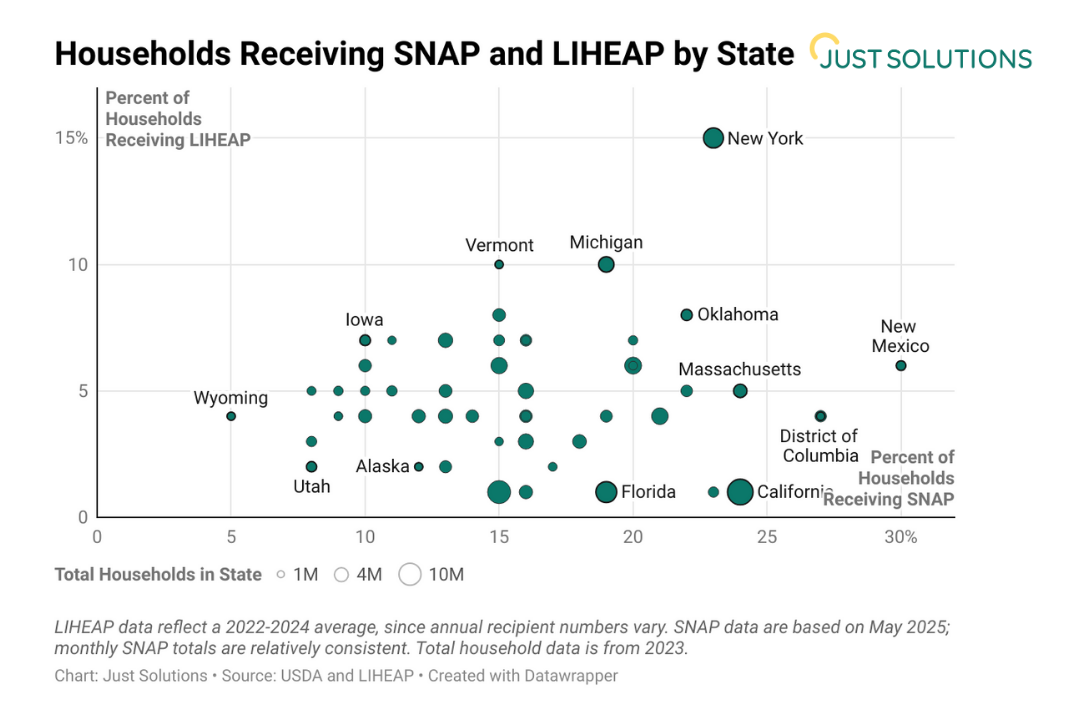
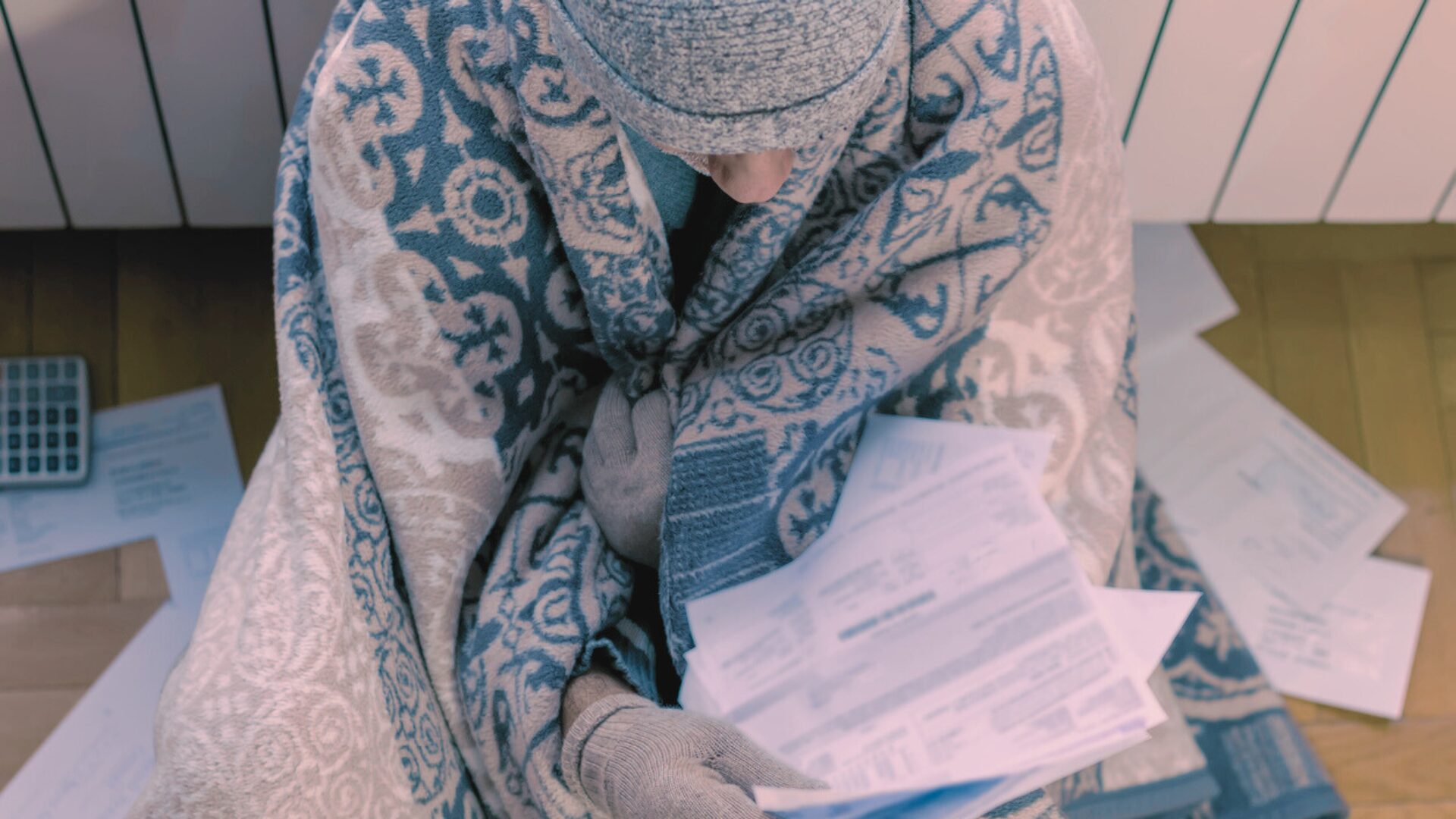
Double Trouble: Disruptions to Federal Food Assistance Program (SNAP) and Low Income Heating and Energy Assistance Program (LIHEAP) Leave Families and Children in Crisis as Winter Approaches
An analysis of which states will be hardest hit and the financial impact As the federal shutdown continues into its second month, households across the country are facing a looming crisis with uncertain funding for food and heating assistance—just as the weather is turning cold. Under pressure from the courts, the Administration has agreed to…

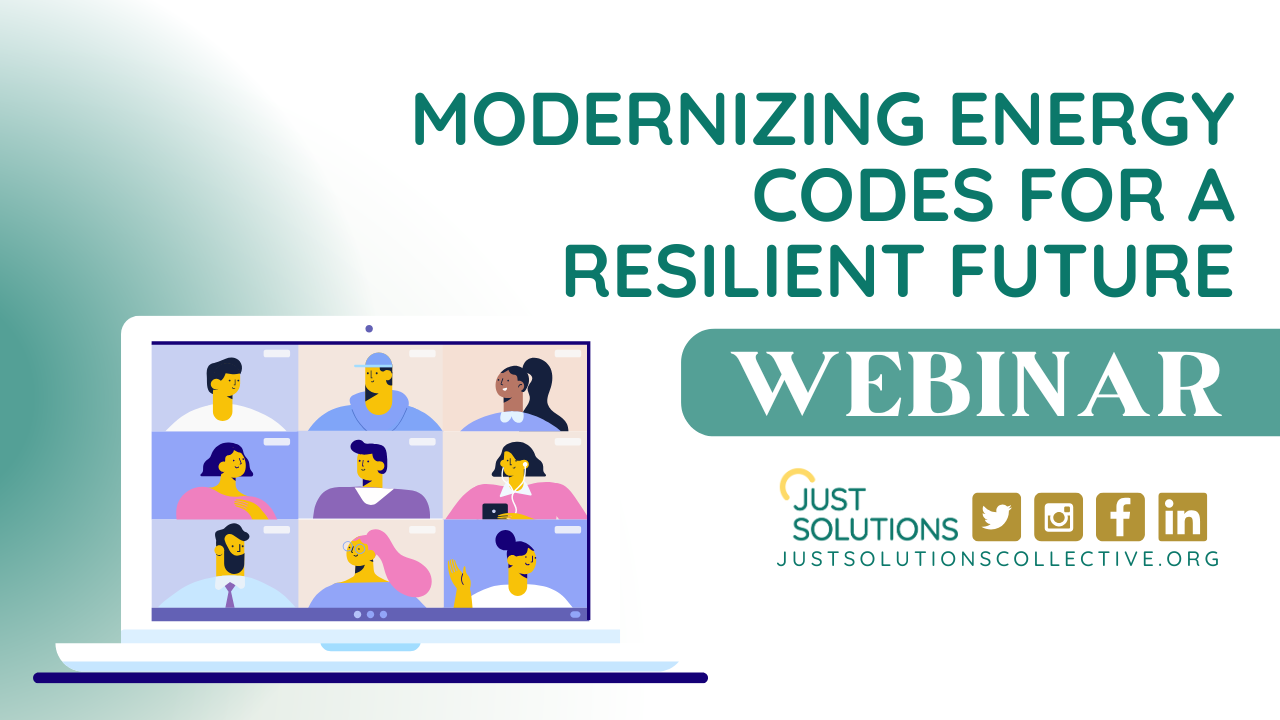
Webinar: Modernizing Energy Codes for a Resilient Future
This webinar explores how requiring updated energy codes for federally backed mortgages can drive resilience and energy equity. We discussed critical actions that can be taken to strengthen climate resilience, reduce energy costs, and promote equitable access to energy-efficient housing. This session highlights the policy and equity implications of energy code updates, how they intersect…

An Immediate Opportunity to Modernize Residential Energy Codes for a Resilient Future
With many of our partners, Just Solutions urges the Federal Housing Finance Agency (FHFA), which oversees Fannie Mae and Freddie Mac, to take immediate action requiring that the home mortgages they back for new construction conform to the updated 2021 International Energy Conservation Code (IECC) codes. Together, we have submitted a letter to the Biden…
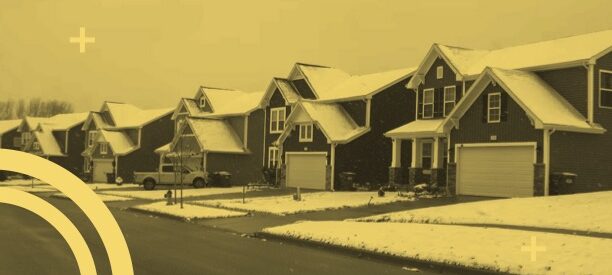
Increasing Energy Efficiency, Lowering Costs, and Resolving Housing Challenges for Lower-Income People in Michigan
Just Solutions, along with many of our partners, urges the Federal Housing Finance Agency (FHFA) to require that the home mortgages they back meet updated energy efficiency standards. As the FHFA oversees the government-sponsored enterprises (GSEs) Fannie Mae and Freddie Mac, such action would bring about 70% of mortgages for new homes in the U.S.…

Energy-Efficient Mortgages: A Unique Opportunity for Environmental Justice
Just Solutions, along with many of our partners, urges the Federal Housing Finance Agency (FHFA) to require that the home mortgages they back meet updated energy efficiency standards. As the FHFA oversees the government-sponsored enterprises (GSEs) Fannie Mae and Freddie Mac, such action would bring about 70% of mortgages for new homes in the U.S.…

Left in the Dark; Utility Disconnections in the United States
When households are unable to pay for their energy bills in full or on time, utility providers often shut off their service. By the end of 2024, utility shut-offs are projected to increase by 300,000 households, to 3.5 million total. When a household is disconnected from its electric utility service, there are severe consequences, such…

Social Housing as an Avenue for Environmental Justice
Background and Past Work As the climate crisis and housing crisis continue to exacerbate one another, solutions that adequately and equitably address both issues are more important than ever. The Just Solutions policy team has analyzed solutions at the intersection of climate justice and housing in the past, and found that many of them are…

The Housing and Climate Equity Series Presents: At the Crossroads of Climate and Housing Justice: Field Scan and Needs Assessment
By Miriam Zuk, Ph.D.*, Idalmis Vaquero**, Zully Juarez, MURP.**, and Lin Chin* *Ground Works Consulting | **Just Solutions Ensuring the well-being of people, their homes, and the environment is increasingly important in the context of the climate crisis. The connections between housing and climate justice are vast, and in these critical times, the climate and…

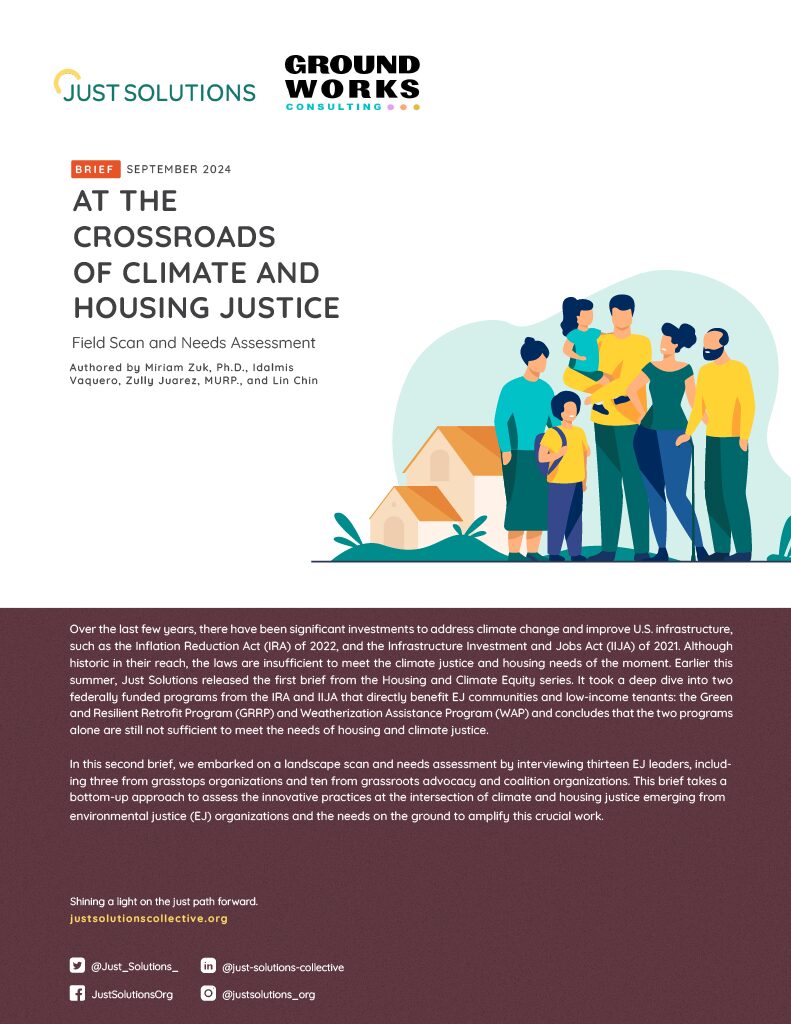
At The Crossroads of Climate and Housing Justice: Field Scan and Needs Assessment
Over the last few years, there have been significant investments to address climate change and improve U.S. infrastructure, such as the Inflation Reduction Act (IRA) of 2022, and the Infrastructure Investment and Jobs Act (IIJA) of 2021. Although historic in their reach, the laws are insufficient to meet the climate justice and housing needs of…

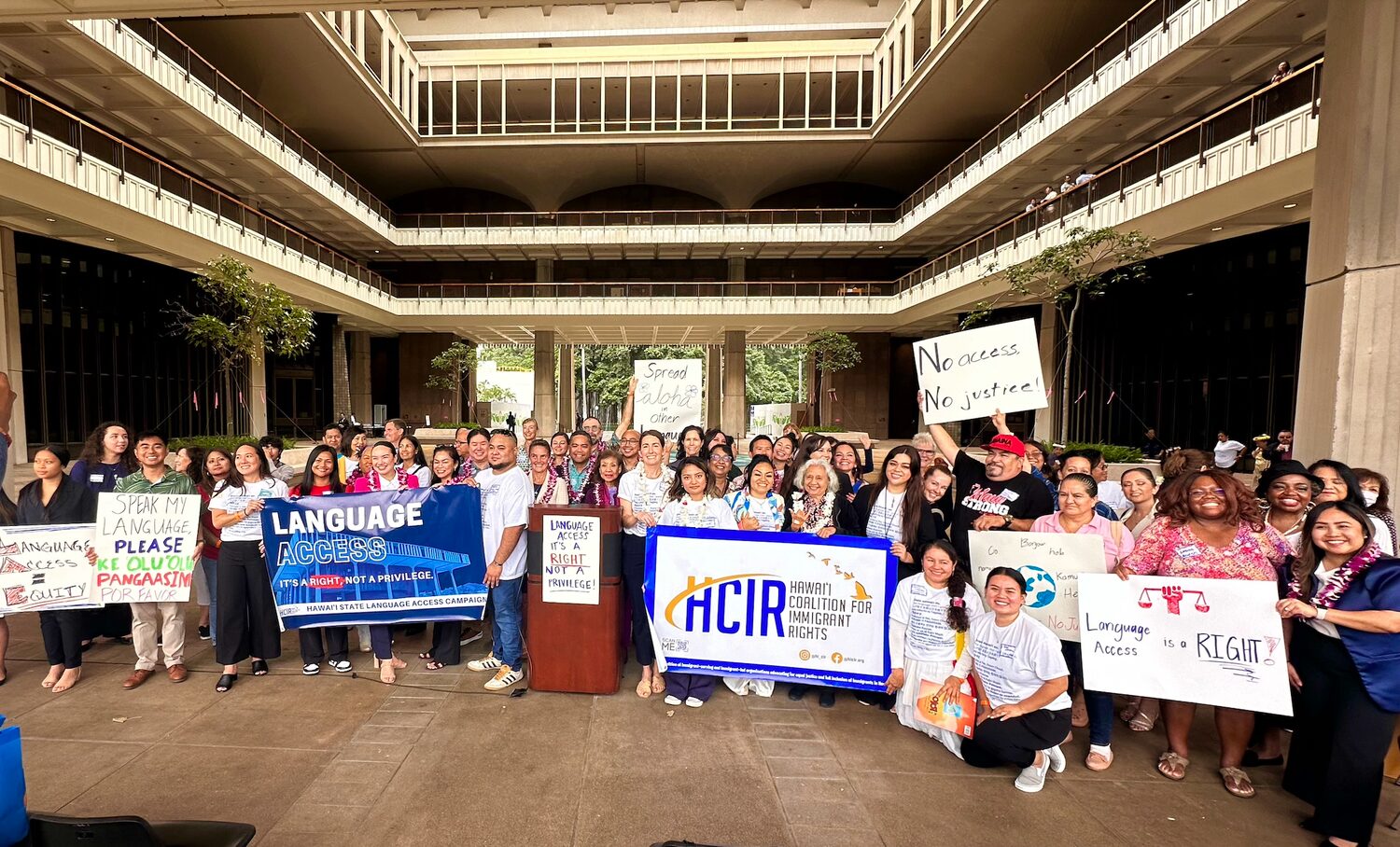
Language Justice in Climate Disasters: State Models Addressing Title VI Gaps
In the face of climate-related disasters, effective communication around evacuation orders and recovery resources can mean the difference between life and death. Unfortunately, individuals with Limited English Proficiency (LEP), who are at the front lines of climate change and climate-related disasters, are often excluded from these lifesaving communications— further compounding their vulnerability to climate change.…