
Latest Articles

National Environmental Policy Act: Recommendations for environmental justice
Earlier this summer, the federal Council for Environmental Quality (CEQ) proposed changes to the National Environmental Policy Act (NEPA) that could get us closer to analyzing climate change impacts, addressing the concerns of environmental justice communities, and uplifting the role of Tribal governments. Most notable are revisions that reinstate many of NEPA’s principles and functions…

LGBTQ History Month: Intersectionality with Climate Justice
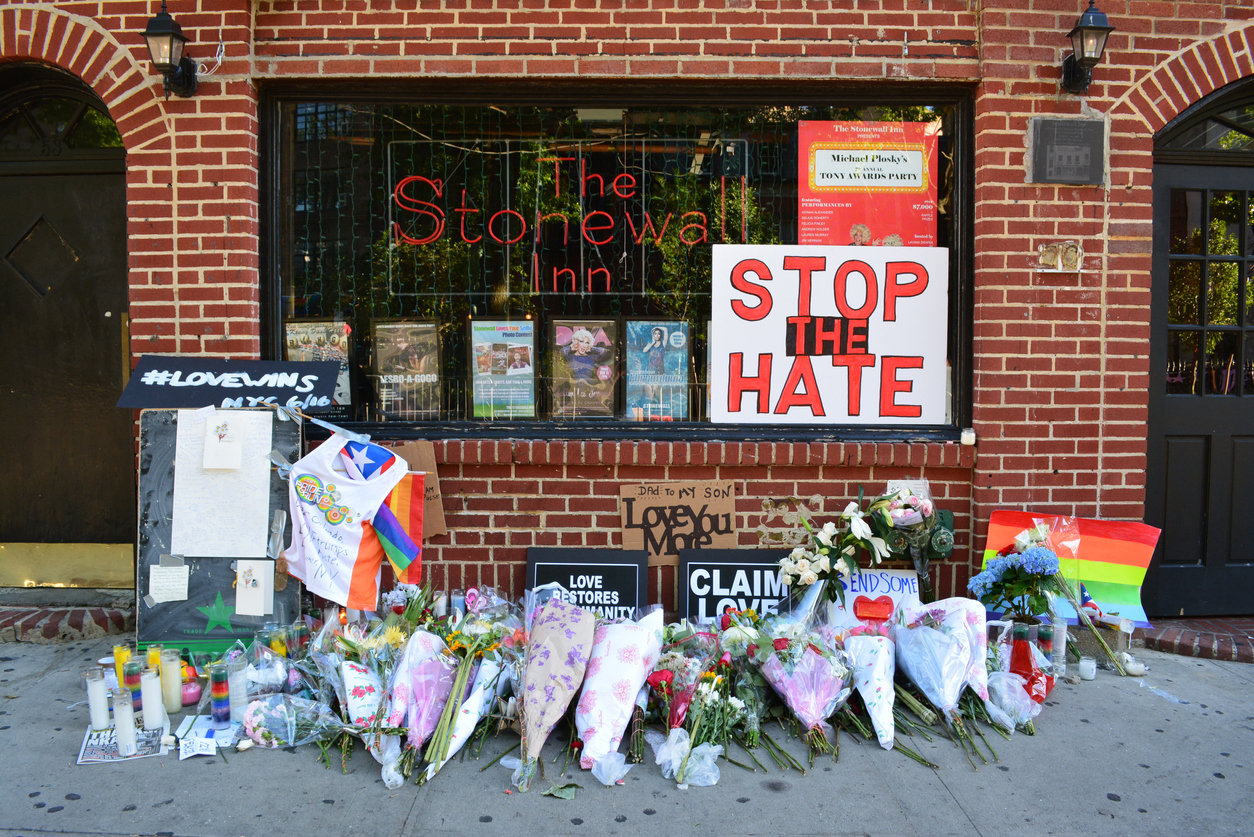
October is LGBTQ History Month. As a queer and nonbinary person from the South, honoring and preserving my community’s history is more important than ever as attempts to suppress our civil rights increase in places like Florida, which I call home. While many people are perhaps more familiar with Pride Month in June with parades…

Community-Created Solutions to Climate Vulnerability and Resilience: A Case Study in Six Frontline Communities
Using a case study approach in six frontline communities, Just Solutions has developed a Prioritizing Frontline Communities Framework that assesses the “pre-existing” economic, health, and infrastructure conditions that affect the capacity of these communities to cope with, prepare for, and respond to climate change and to participate equitably in the transition to a clean energy…
Implications of AMI for Home Electrification and Appliance Rebates
Introduction Home Electrification and Appliance Rebates have been touted as a provision of the Inflation Reduction Act (IRA) that will deliver benefits to low- and moderate-income (LMI) households. The program allocates about $4.3 billion to the states to provide up to $14,000 in point-of-sale rebates to eligible households. Eligible purchases include certain appliance upgrades (including…

Introducing “Just Solutions: Collective Stories”
At the very core of the Just Transition Principles is prioritizing people, communities, and relationships over profit and self-interest. Environmental racism and the climate crisis are ultimately the result of systemic oppression that lacks care for the lives affected by the pursuit of power and control. This is why the empowerment of frontline communities is…
The Department of Housing and Urban Development’s Climate Action Plan, Reviewed
The Department of Housing and Urban Development’s Climate Action Plan, Reviewed President Biden’s January 2021 Executive Order 14008 (Tackling the Climate Crisis at Home and Abroad) spurred the Department of Housing and Urban Development (HUD) to lay out their own Climate Action Plan in November of 2021. The goal of this plan is to ‘address…
EPA’s Carbon Pollution Standards: Equity Recommendations from Just Solutions
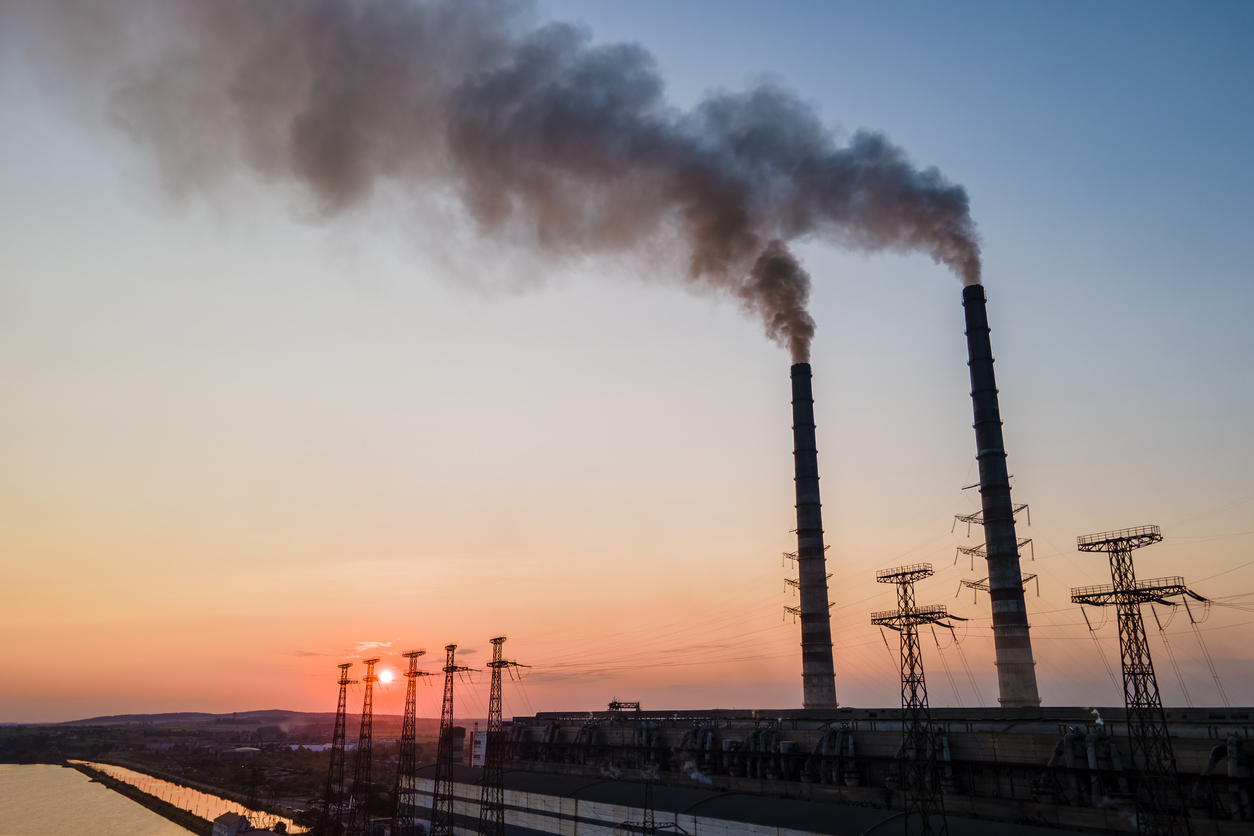
For decades, the burning of fossil fuels at power plants has resulted in adverse public health outcomes for some of the most environmentally-overburdened communities in our country. Black, Indigenous, communities of color and low-income communities breathing in the pollution from these facilities experience disproportionate rates of heart and lung diseases, asthma, bronchitis, a greater number…
DOE Guidance for Home Energy Rebates Adopts Recommendations for Equity
On July 27, the Department of Energy released long-awaited guidance for the Home Energy Rebate Programs, outlining requirements applicable to the states and territories that will administer these programs. (Separate guidance is forthcoming for Tribes.) We previously shared our recommendations to DOE to implement the Home Energy Rebates in a way that prioritizes equity and…

Federal Debt Ceiling, Environmental Justice Communities and NEPA
After weeks of negotiations and the looming threat of defaulting on our country’s debts, President Biden signed the Fiscal Responsibility Act (FRA) in May. The FRA ended the federal student loan repayment suspension and expands work requirements for food stamp recipients, which will impact low-income and working-class people the most. What might be less known,…

The Effects of Health and Housing Quality on Climate Vulnerability and Resilience
Using a case study approach in six frontline communities, Just Solutions has developed a Prioritizing Frontline Communities Framework that assesses the “pre-existing” economic, health, and infrastructure conditions that affect the capacity of these communities to cope with, prepare for, and respond to climate change and to participate equitably in the transition to a clean energy…