Uncategorized

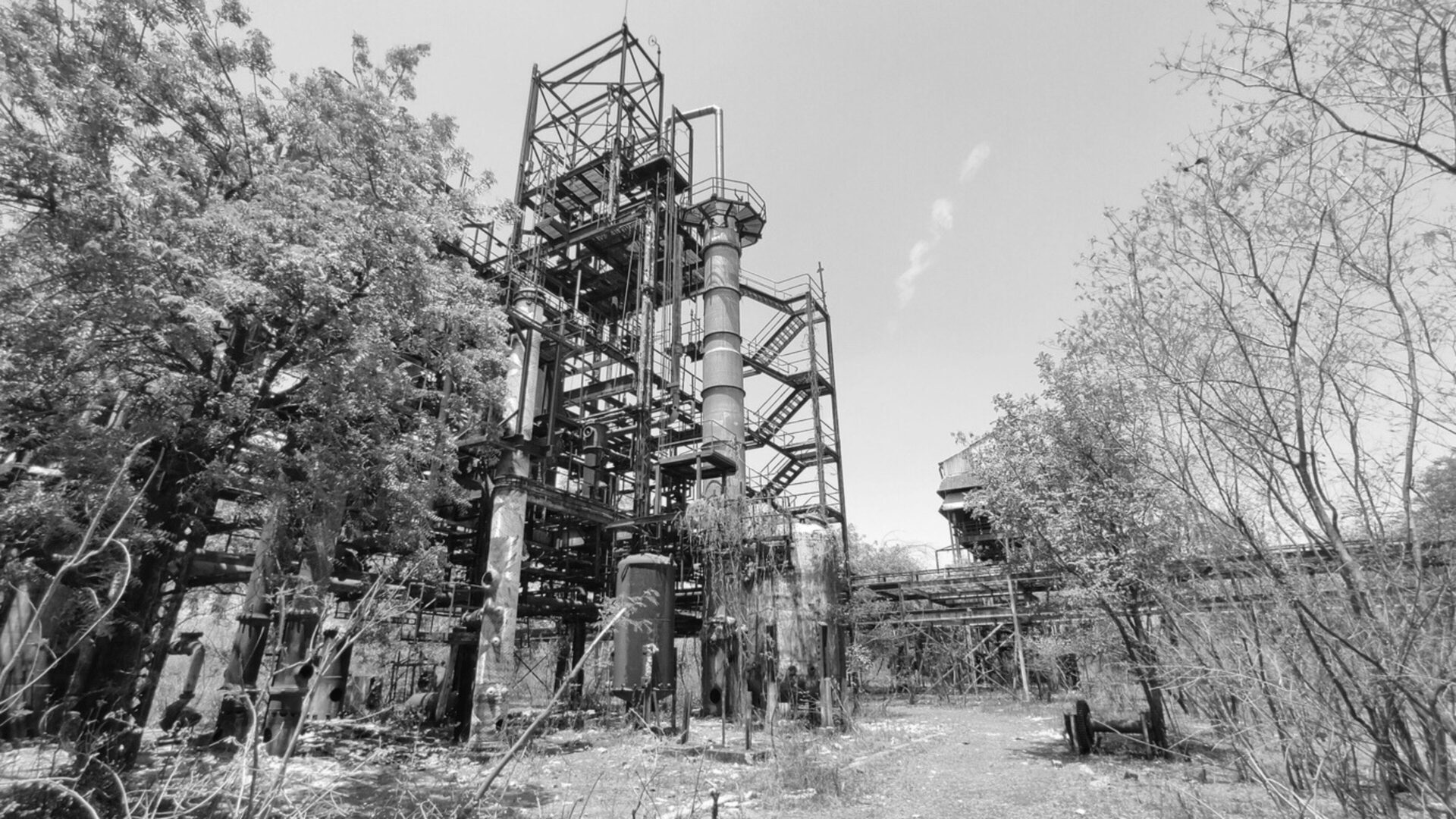
Reflections on the 40th Anniversary of the Bhopal Chemical Disaster: Defending People over Profit
On December 2, 1984, as the city slept, 40 tons of deadly gas leaked from the Union Carbide pesticide production facilities in Bhopal, India. By sunrise, over 2,000 people were dead. Over half a million people in the villages and slums surrounding the plant were affected, including over 200,000 children and 3,000 pregnant women. Many…

Social Housing as an Avenue for Environmental Justice
Background and Past Work As the climate crisis and housing crisis continue to exacerbate one another, solutions that adequately and equitably address both issues are more important than ever. The Just Solutions policy team has analyzed solutions at the intersection of climate justice and housing in the past, and found that many of them are…
Election Statement: Defending Climate Justice
For those committed to racial, social, and environmental justice, the national election was a gut punch. A result that will have far reaching and devastating consequences for ourselves, our loved ones, our communities, and the planet. The coming days will require us to catch our breath, then begin organizing to fight harder and smarter. We…

Utility Justice: Why it Matters and Resources for Advocates
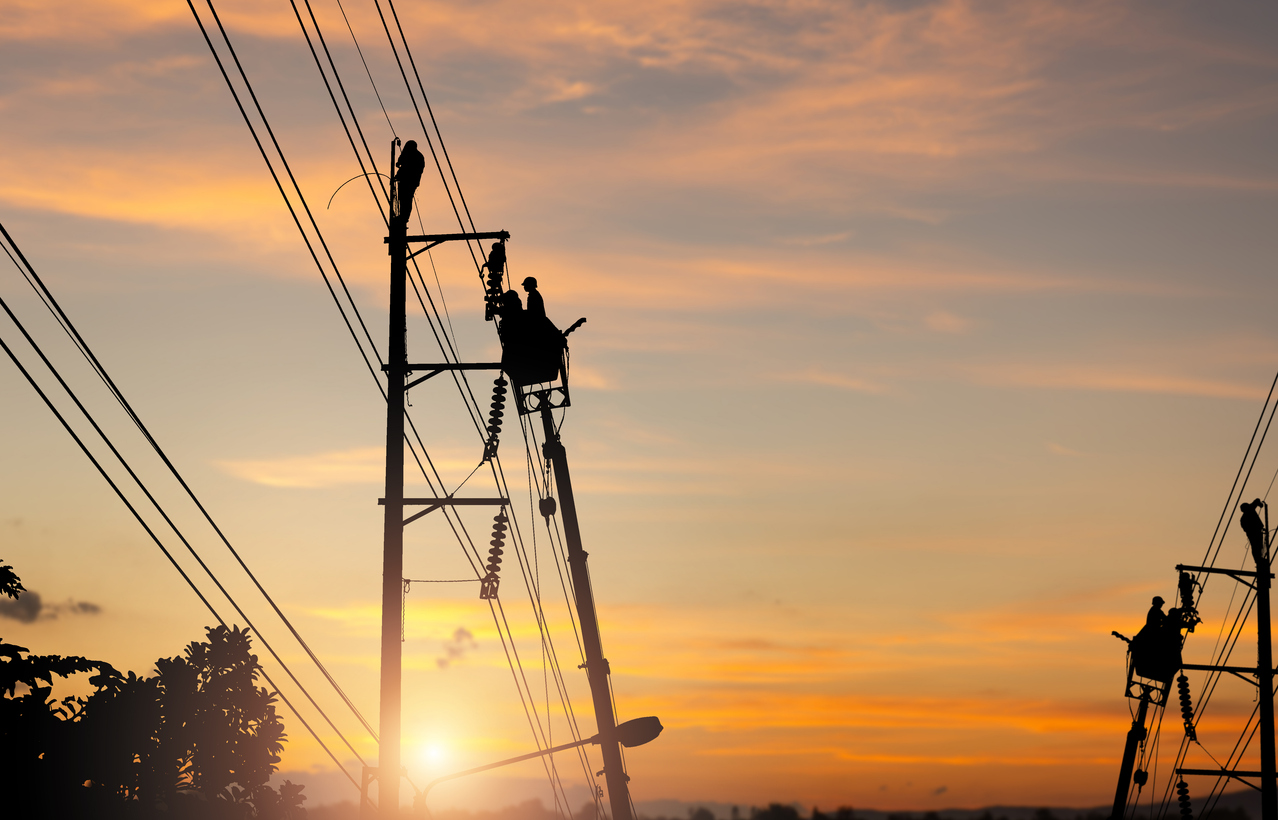
More than 30 million households in the United States are energy insecure, meaning that they are unable to adequately meet household energy needs. High energy costs as a fraction of household income — called energy burden — is a major stressor on the finances of low-income households. In the U.S., around 3,000 electric utility companies…

Climate Resilience and the Failure of the Healthcare Market
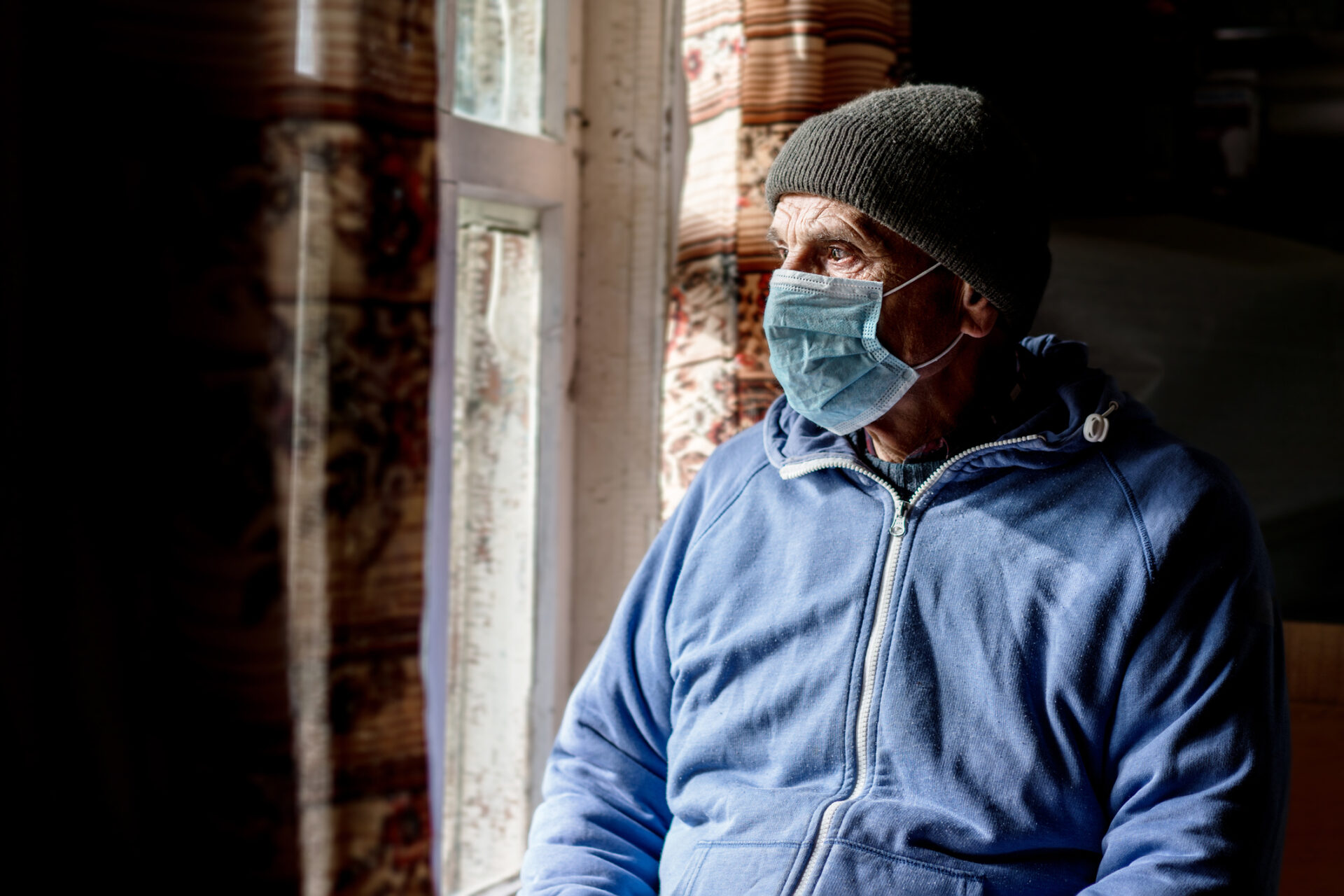
There has been growing attention on the failure of key markets to keep pace with climate change, including the housing, insurance, and utilities markets, and the dire consequences for communities across the country. The healthcare market, however, has received less attention. While significant progress has been made over the past two decades in expanding healthcare…
The Housing and Climate Equity Series Presents: At the Crossroads of Climate and Housing Justice: Field Scan and Needs Assessment
By Miriam Zuk, Ph.D.*, Idalmis Vaquero**, Zully Juarez, MURP.**, and Lin Chin* *Ground Works Consulting | **Just Solutions Ensuring the well-being of people, their homes, and the environment is increasingly important in the context of the climate crisis. The connections between housing and climate justice are vast, and in these critical times, the climate and…
What Can We Learn from Social Policy to Advance Climate Justice?
Increasing the capacity of frontline communities to meet the current and future challenges brought about by climate change will require a significant future expansion of assistance programs and resources. There are decades worth of lessons to be learned from the design and implementation of past laws and policies that are intended to improve the lives…

Language Justice in Climate Disasters: State Models Addressing Title VI Gaps
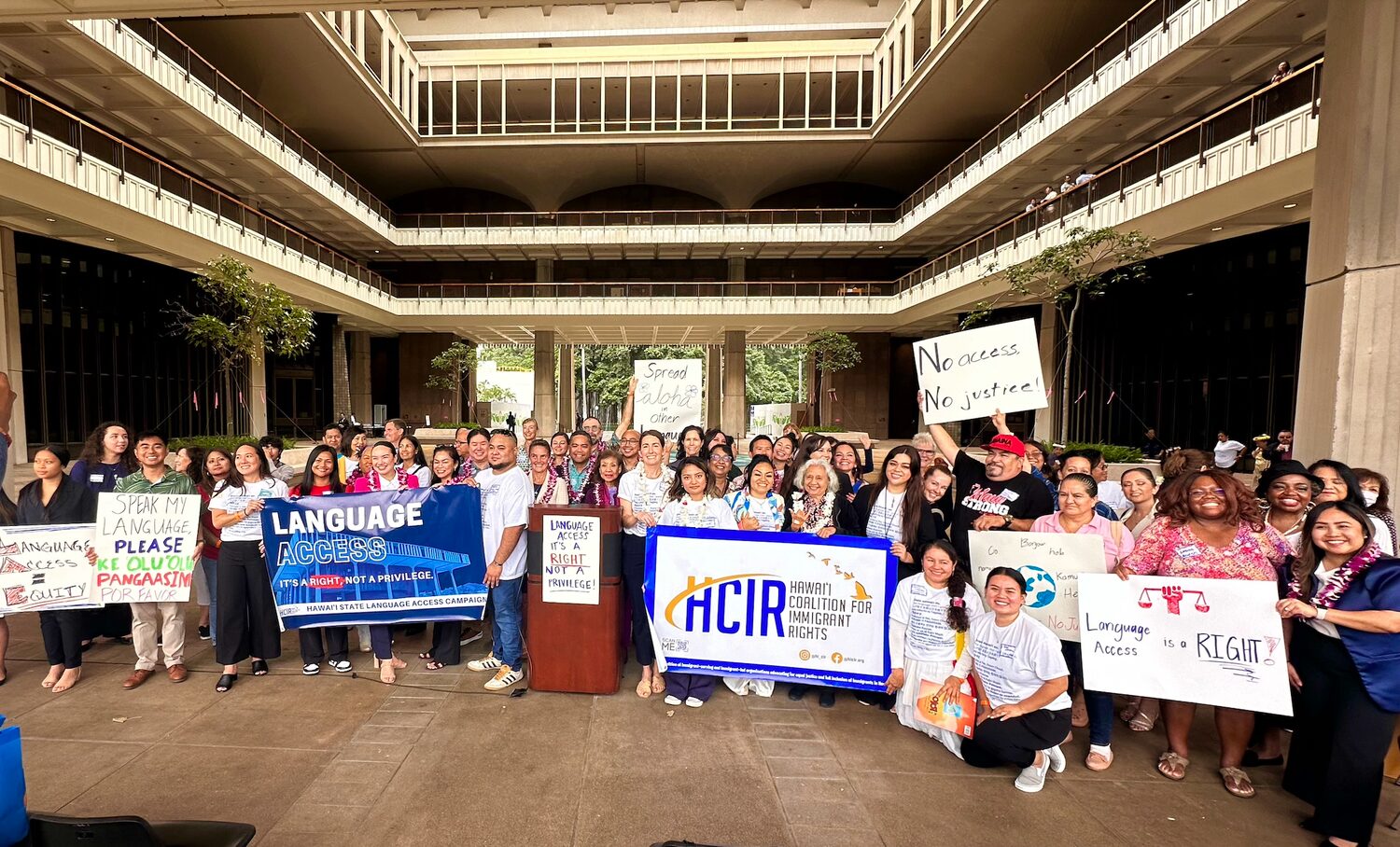
In the face of climate-related disasters, effective communication around evacuation orders and recovery resources can mean the difference between life and death. Unfortunately, individuals with Limited English Proficiency (LEP), who are at the front lines of climate change and climate-related disasters, are often excluded from these lifesaving communications— further compounding their vulnerability to climate change.…
How a public option for basic financial transactions supports household climate resilience
Climate justice is inextricably linked with economic justice, and individual and household economic precarity is increasingly important in the context of the climate crisis. As in so many other aspects of climate change, the household finances of low-income and communities of color are already experiencing impacts “first and worst.” Last fall, the U.S. Department of…
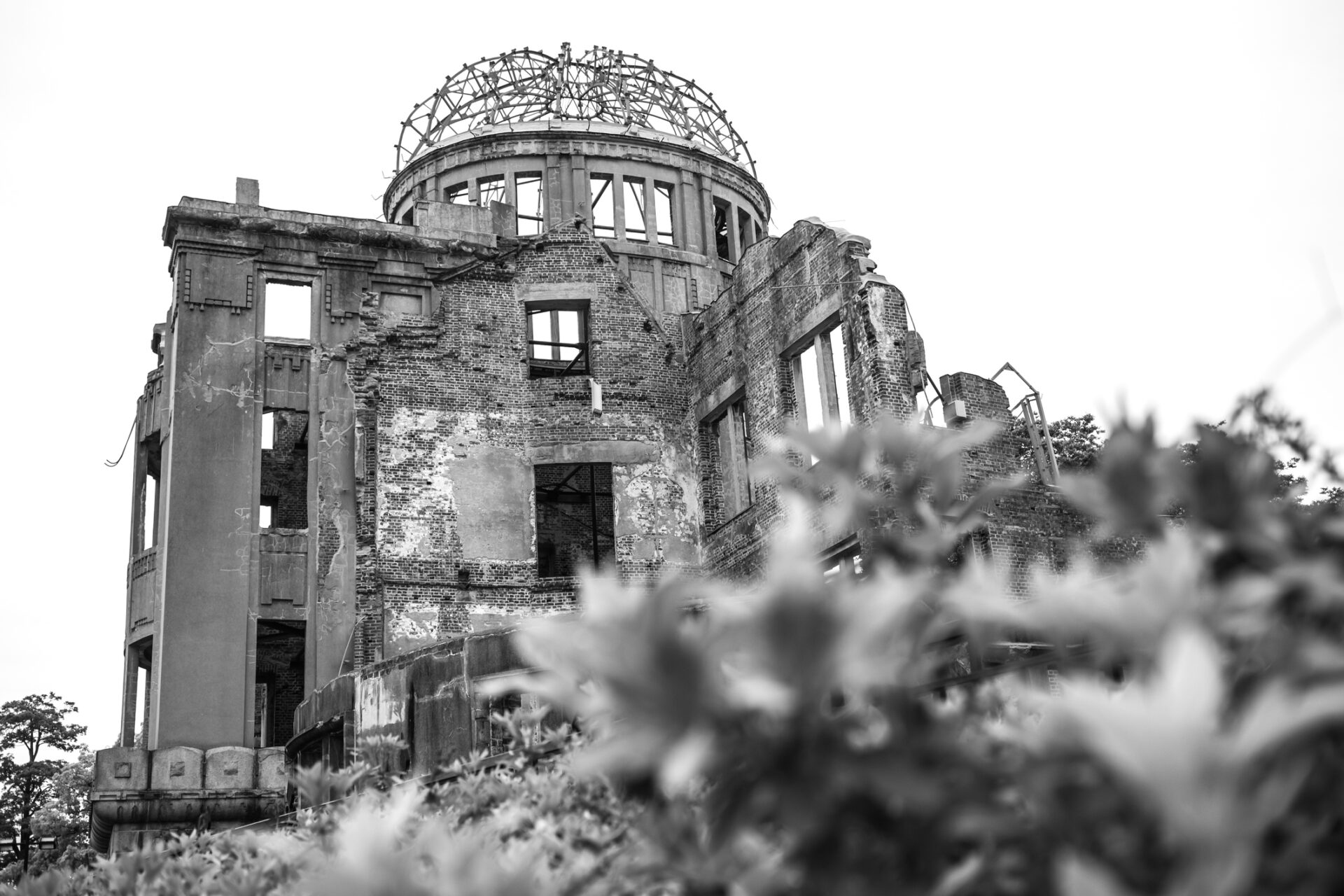
Just Essays: Reflections on the atomic destruction of Hiroshima and the present nuclear resurgence
Author: Arjun Makhijani, PhD, Senior Fellow, Just Solutions. President Institute for Energy and Environmental Research. Hiroshima was obliterated on August 6, 1945 razed to the ground by just one bomb from a single plane. That day, Mitsuno Ochi had been waiting to withdraw money from a bank; she was instantly evaporated into a mere shadow…