Energy

Myth: The Clean Energy Transition Is “Too Expensive”
Debunking Energy Transition Myths Instagram Series We worked with Energy Allies, Energy Democracy Project, and Kristy Drutman of Browngirl Green to debunk the myth that the transition to clean energy is “too expensive.” Stanford University released a report showing how 143 countries can achieve 100% clean energy that pays for itself in just a few…

EPA’s Carbon Pollution Standards: Equity Recommendations from Just Solutions
For decades, the burning of fossil fuels at power plants has resulted in adverse public health outcomes for some of the most environmentally-overburdened communities in our country. Black, Indigenous, communities of color and low-income communities breathing in the pollution from these facilities experience disproportionate rates of heart and lung diseases, asthma, bronchitis, a greater number…

Just Solutions Joins Invest in America Tour highlighting funds for equitable clean energy solutions
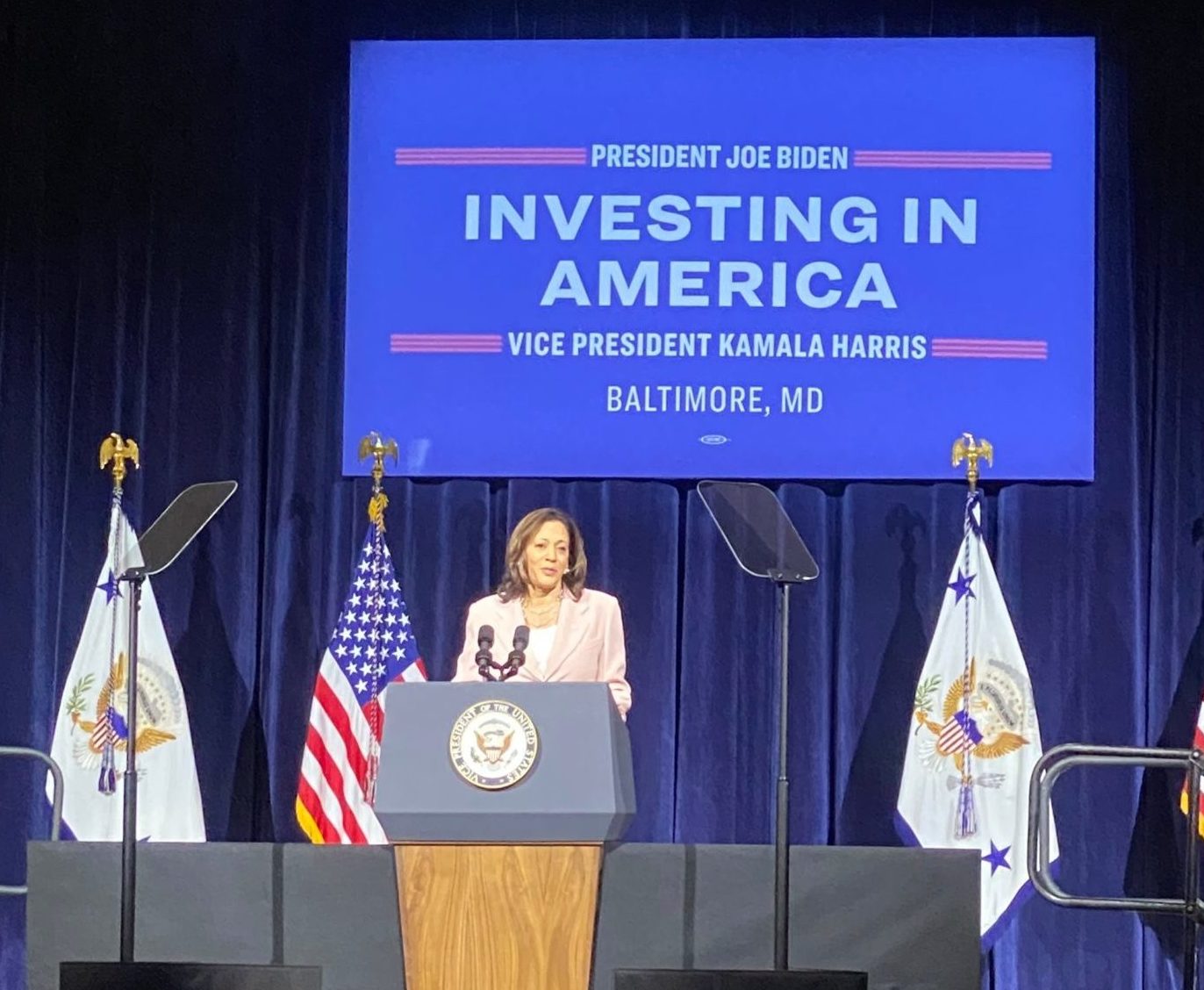
On Friday, July 14, 2023, Just Solutions was invited to join Vice President Harris in Baltimore, Maryland as she delivered remarks highlighting provisions in the Inflation Reduction Act. Joined by EPA Administrator Michael Regan at Coppin State University, they announced $20 billion to capitalize investment in a clean energy financing network and projects in disadvantaged…

Keeping the Lid On at 1.5°C: Part 3
Focusing on methane and natural processes to reduce greenhouse gas concentrations In my first blog post of this series, I had noted that we need to do more than eliminate greenhouse gas emissions to keep the temperature lid at 1.5°C. This is because decarbonizing energy will unmask the cooling effect of some pollutants now emitted by burning…

Understanding the Impacts of Hydrogen Hubs on EJ with The Equity Fund
The Department of Energy recently announced $7 billion in funding for hydrogen hubs across the United States. But what are hydrogen hubs and what is their impact on Frontline EJ communities? The Equity Fund and Just Solutions Collective explored the impact of hydrogen hubs and what they mean for the environmental justice movement. This event…

Puerto Rico and the fight for Energy Democracy
On September 18, 2022, Hurricane Fiona hit and flooded Puerto Rico, leaving millions without power. It has been three weeks and more than 30,000 people still find themselves without power2. Hurricane Fiona comes just five years after Hurricane Maria caused a blackout throughout the island, lasting for 11 months, making it the largest blackout in…

New Federal Actions to Lower Electricity Bills for Working Families: Key things to know
This summer, the Biden-Harris Administration announced six new actions to lower electricity bills for working families, funded by the Bipartisan Infrastructure Law. The administration aims to accomplish this by lowering electricity costs and create clean energy jobs, including: At Just Solutions Collective, we believe that addressing energy burden reduction is an important part of the clean…

Keeping the Lid On at 1.5°C: Part 2
Point-source carbon capture and sequestration: Also not the answer. In the first blog post of this series, I explored air capture of CO2 and found it unsuitable as a way to address mounting greenhouse gas concentrations due to cost as well as ecological considerations. In this blog, I explore point-source capture – that CO2 capture…

Existing Programs & Policies That Work Well In Addressing Energy Burden| Blog Series Part 3/3
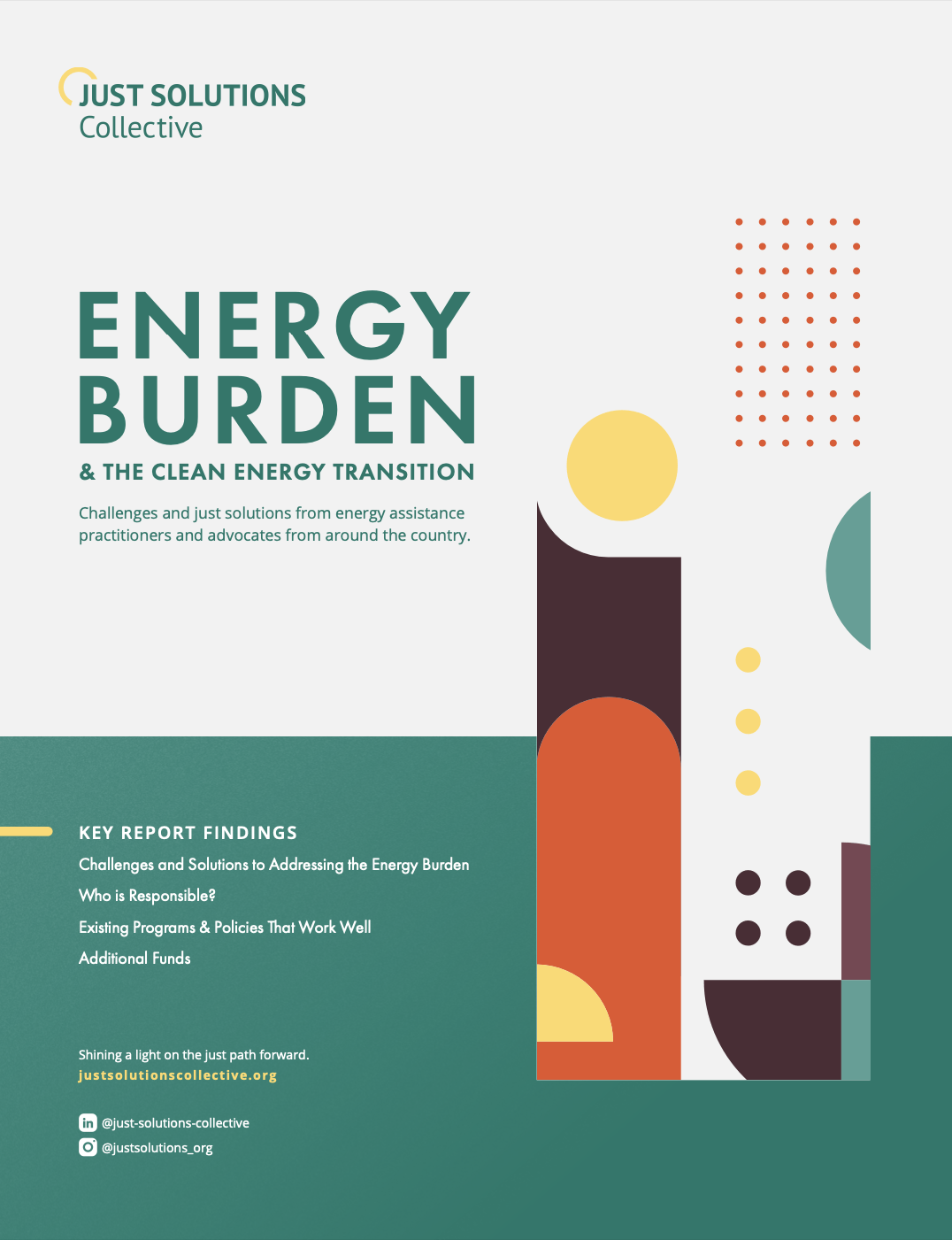
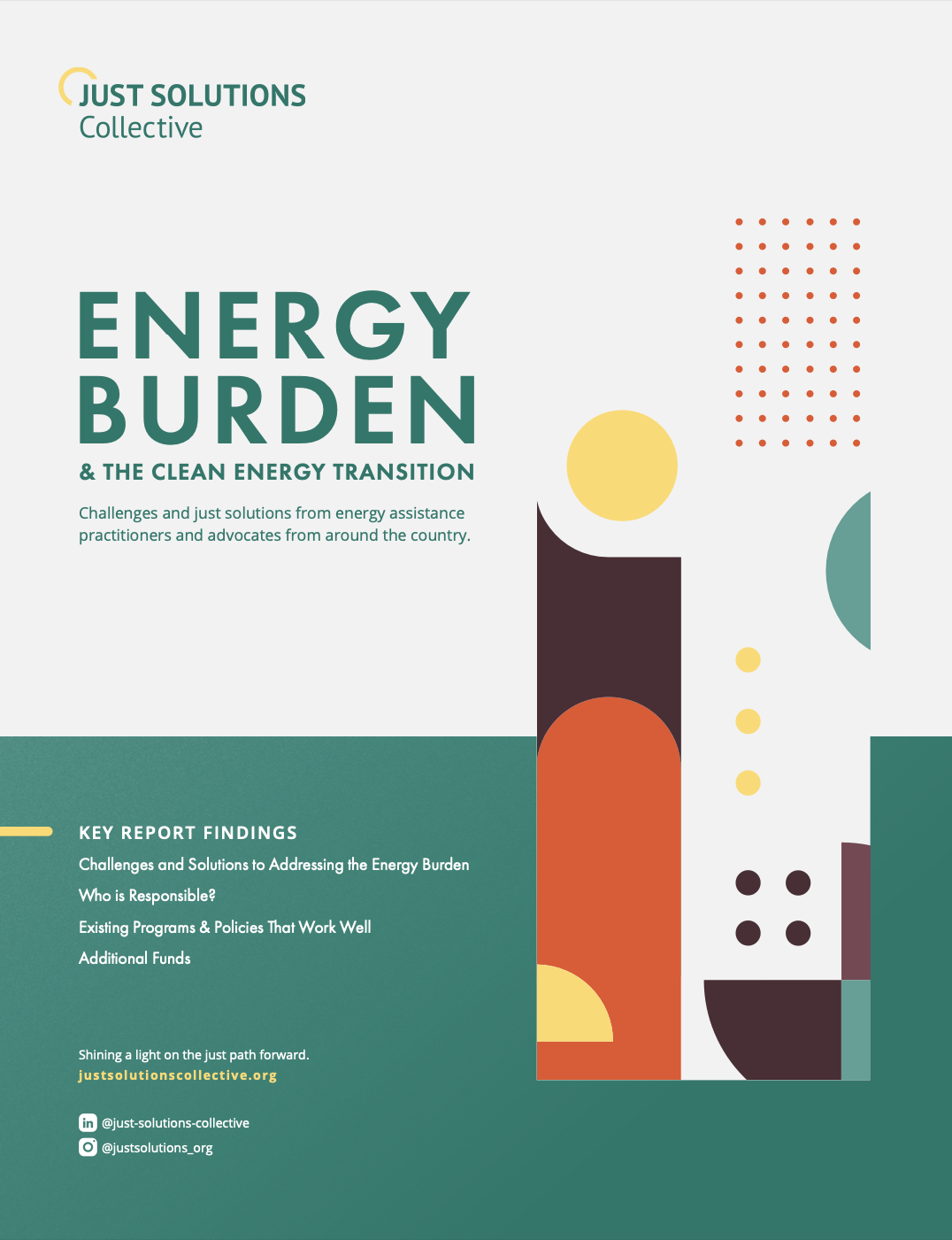
The Just Solution Collective presents, “Energy Burden and the Clean Energy Transition”, a three-part blog series that addresses energy burden reduction as an important part of the clean energy transition for environmental justice and climate justice. Through this blog series, we will highlight key elements from our latest report and spotlight justice-centered policy & program solutions to…
Challenges and Solutions to Addressing the Energy Burden | Blog Series Part 2/3
The Just Solution Collective presents, “Energy Burden and the Clean Energy Transition”, a three-part blog series that addresses energy burden reduction as an important part of the clean energy transition for environmental justice and climate justice. Through this blog series, we will highlight key elements from our latest report and spotlight justice-centered policy & program solutions to…