Energy

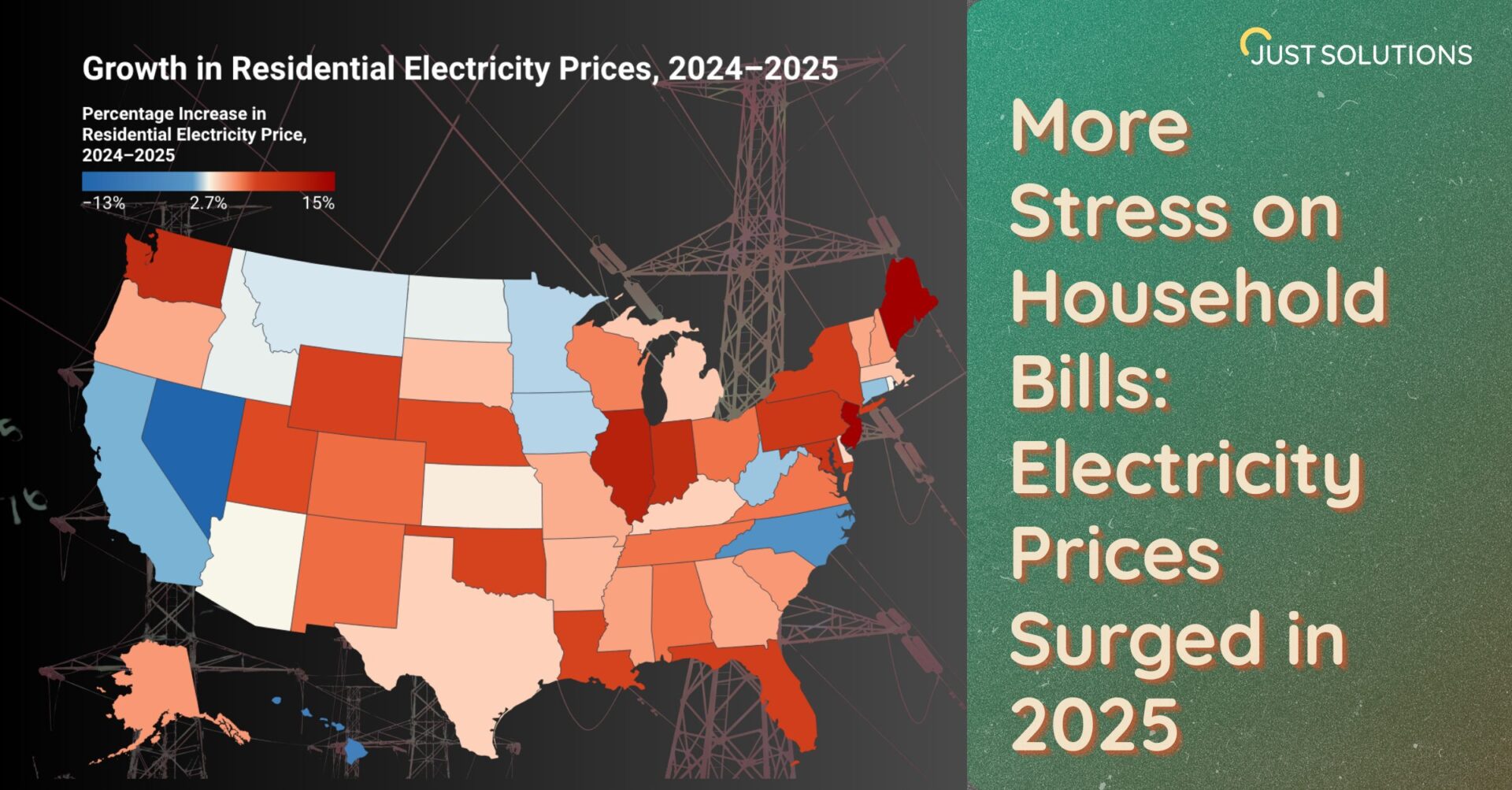
More Stress on Household Bills: Electricity Prices Surged in 2025
The data are in: nationwide, household electricity prices rose nearly twice as fast as inflation last year. Across the United States, average residential electricity prices increased 5% between 2024 and 2025, according to data just released from the U.S. Energy Information Administration. The inflation rate over the same period was 2.7%. Residential electricity prices outpaced…

Case Study: Oregon’s Hydrogen Public Notice Bill (SB 685)
The hydrogen blending controversy in Oregon first surfaced in West Eugene, where strong community outcry successfully halted a utility’s blending project. NW Natural, Oregon’s largest natural gas company, sought to begin blending hydrogen into residential pipelines in 2022. Soon after, residents in Southeast Portland discovered that NW Natural had begun blending hydrogen into their home…
Case Study: Door-to-Door Canvass in Northwest Indiana
Northwest Indiana has long been one of the most industrialized corridors in the country. The cities of East Chicago, Hammond, and Whiting, situated on the southern shore of Lake Michigan, are dominated by oil refineries, steel mills, and chemical plants. The BP Whiting Refinery, one of the largest in the U.S., anchors the area—bringing jobs,…
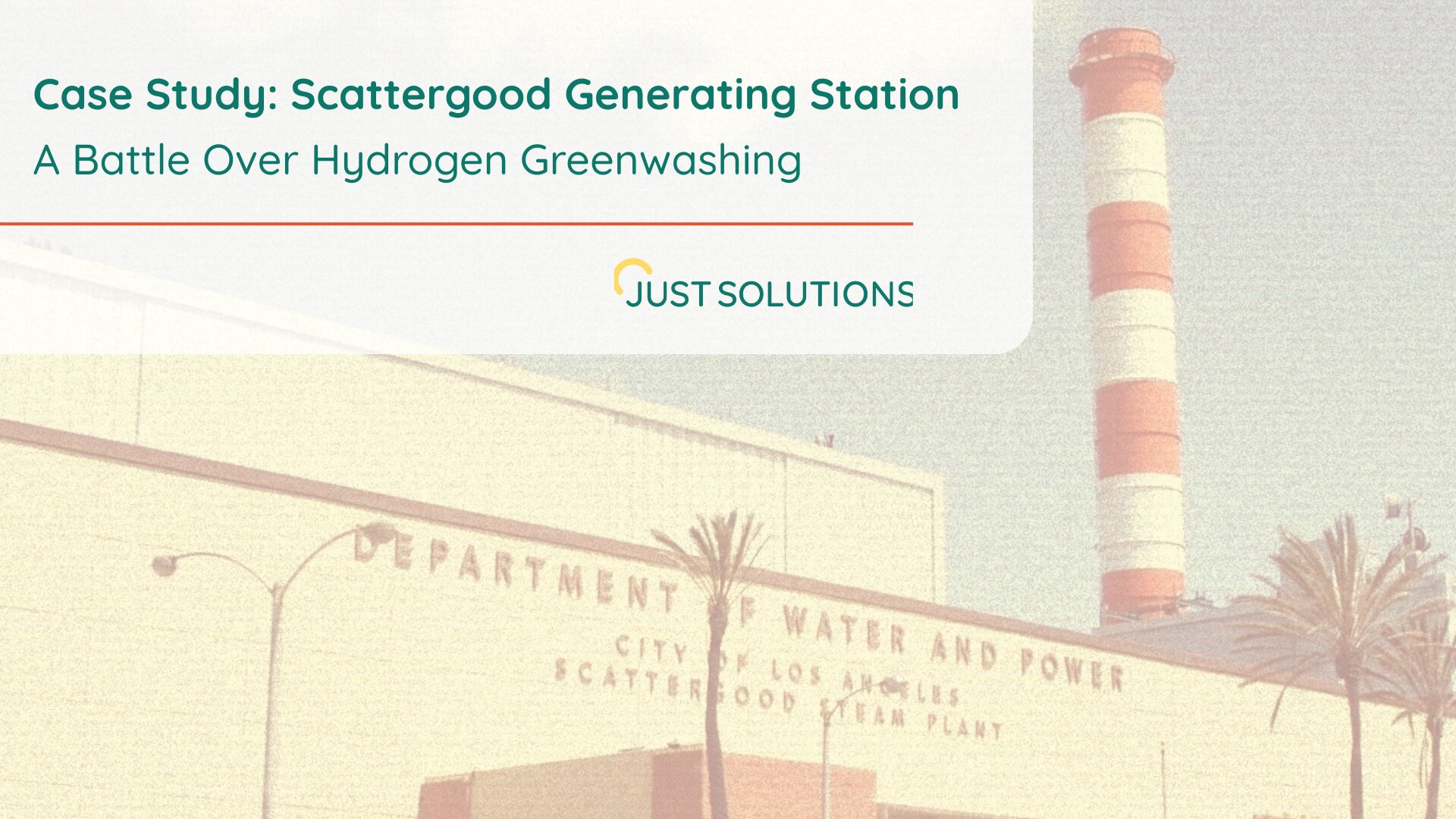
Case Study: Scattergood Generating Station – A Battle Over Hydrogen Greenwashing
The Scattergood Generating Station, located in Playa del Rey near Los Angeles International Airport, has become a defining case for understanding how fossil fuel industries are attempting to prolong the life of gas-fired power plants under the guise of “clean hydrogen.” The struggle around Scattergood illustrates both the power of grassroots environmental justice (EJ) advocacy…
Pathways For Action: Affording Our Clean Energy Future
Across the country, households are struggling to pay for mounting energy costs. From state to state, the costs of everything from mitigating wildfires to integrating new data centers loads are driving up utility bills. States now face an urgent need to address energy costs—and to do so in a lasting way that ensures long-term bill…

Webinar: Understanding the Environmental Justice Impacts of Transmission Buildout
Expanding the electric grid has real and lasting impacts on communities, shaping everything from affordability and public health to electricity reliability, land use, and climate outcomes. Yet for many, transmission planning remains complex and unfamiliar. This webinar examines the equity and justice implications of transmission buildout. Leading experts break down what transmission is, how projects…
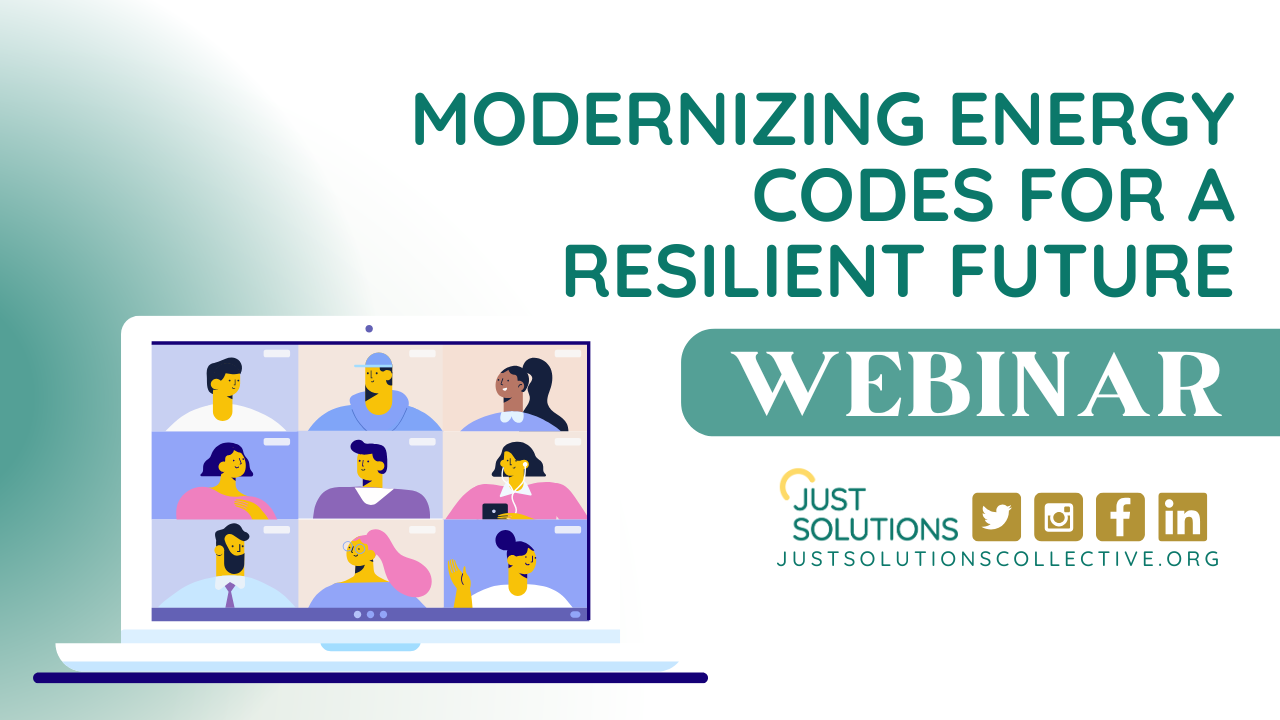
Webinar: Modernizing Energy Codes for a Resilient Future
This webinar explores how requiring updated energy codes for federally backed mortgages can drive resilience and energy equity. We discussed critical actions that can be taken to strengthen climate resilience, reduce energy costs, and promote equitable access to energy-efficient housing. This session highlights the policy and equity implications of energy code updates, how they intersect…

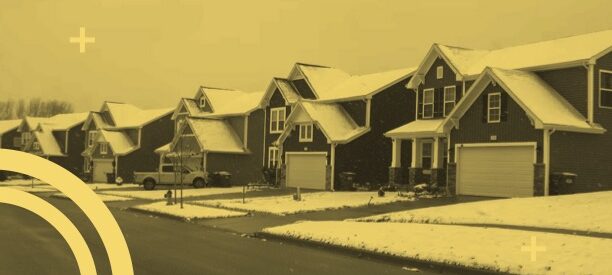
An Immediate Opportunity to Modernize Residential Energy Codes for a Resilient Future
With many of our partners, Just Solutions urges the Federal Housing Finance Agency (FHFA), which oversees Fannie Mae and Freddie Mac, to take immediate action requiring that the home mortgages they back for new construction conform to the updated 2021 International Energy Conservation Code (IECC) codes. Together, we have submitted a letter to the Biden…

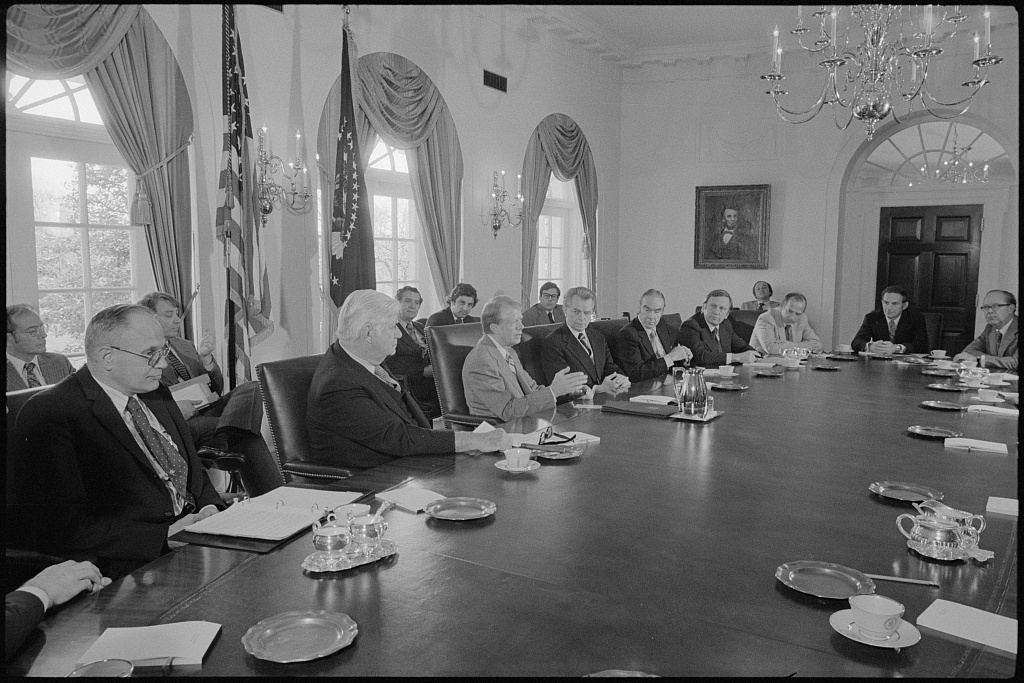
President Carter and the Policy and Politics of Energy Sufficiency
The passing of President Jimmy Carter has brought about a renewed interest in 1970’s energy issues, like lines at gas stations, solar panels on the White House, and putting on a cardigan. Some look back with nostalgia at Carter as a strong voice for energy conservation with unique moral clarity. Others see him as politically naïve…
Left in the Dark; Utility Disconnections in the United States
When households are unable to pay for their energy bills in full or on time, utility providers often shut off their service. By the end of 2024, utility shut-offs are projected to increase by 300,000 households, to 3.5 million total. When a household is disconnected from its electric utility service, there are severe consequences, such…